What makes this project exciting to us isn't simply the number of homes. It is the ecosystem of organizations coming together to make those homes—and the ownership opportunities they represent—possible.
Community ownership as an anti-displacement strategy
Africatown Community Land Trust (ACLT) was created around a powerful idea: communities facing displacement should have the ability to own land and shape their own future.
ACLT works to halt Black displacement, preserve Black presence, create permanently affordable housing and build pathways to ownership. Its projects demonstrate that development doesn't have to be synonymous with displacement. It can be a tool for stability, ownership and long-term community wealth.
Affordable rental housing is critically important because it addresses what a household pays to live somewhere today. Affordable homeownership adds another dimension: the opportunity to build equity and participate in the long-term appreciation of the community around you.
HomeSight describes homeownership as a foundation for generational wealth, resilient families and strong communities. But developing affordable homes for purchase can be extraordinarily difficult.
Long before a shovel goes into the ground, a project needs capital for surveys, architecture, engineering, legal costs, estimating and countless rounds of affordable funding applications. Traditional affordable development capital isn't structured particularly well for homeownership projects, let alone affordable for-sale housing.
That is one reason HomeSight's Field Order 15 Fund is so interesting.
Created by HomeSight in partnership with the Black Home Initiative, Field Order 15 works farther upstream: helping BIPOC (Black, Indigenous, and People of Color) developers get affordable for-sale projects off the ground.
The program provides feasibility grants, technical support and access to predevelopment financing, including feasibility funding of up to $35,000 and predevelopment loans of up to $1 million.
The name carries important history. Field Order 15 refers to the 1865 Special Field Order associated with the promise of “40 acres and a mule”—an effort to provide land to formerly enslaved families that was subsequently reversed. HomeSight connects that history with generations of exclusion from property ownership and development capital that followed.
Today, Field Order 15 is addressing the homeownership gap not only by helping buyers purchase homes, but by helping mission-driven developers create the homes that can be purchased in the first place.
The affordable homeownership challenge won't be solved by one organization—or by simply doing conventional development a bit more efficiently. It requires multiple organizations willing to think outside the box.
Affordable doesn't have to mean stripped down
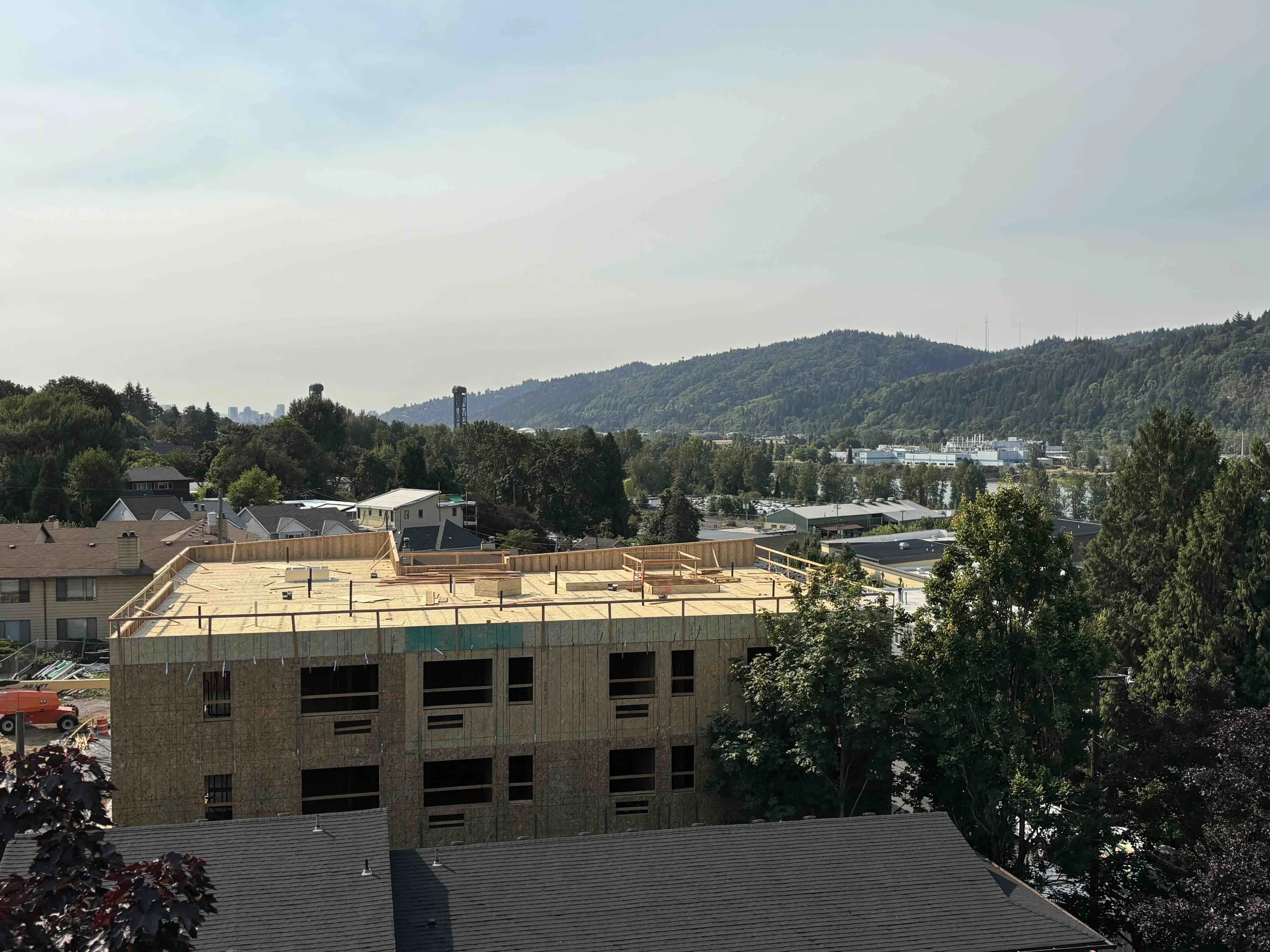
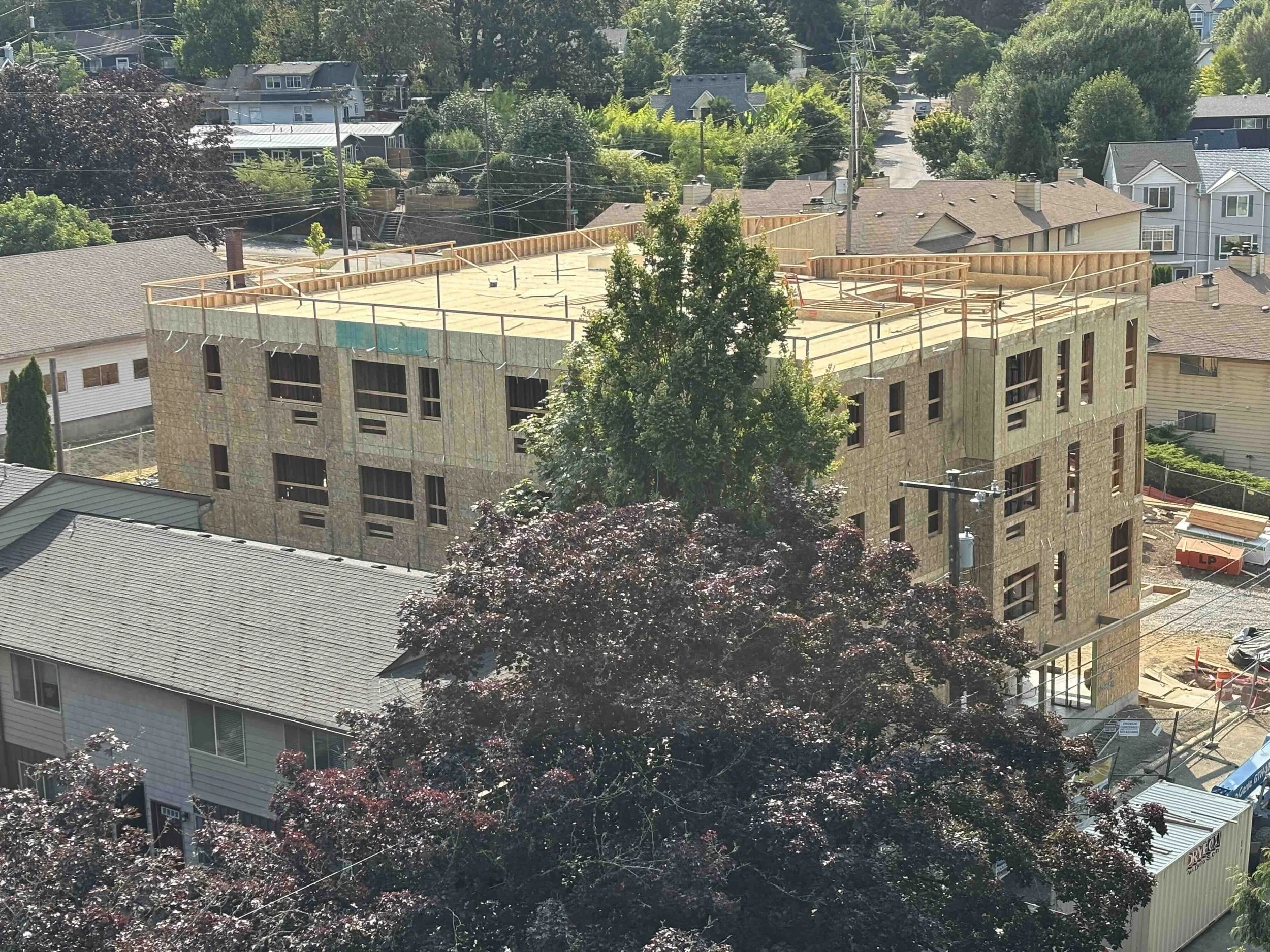
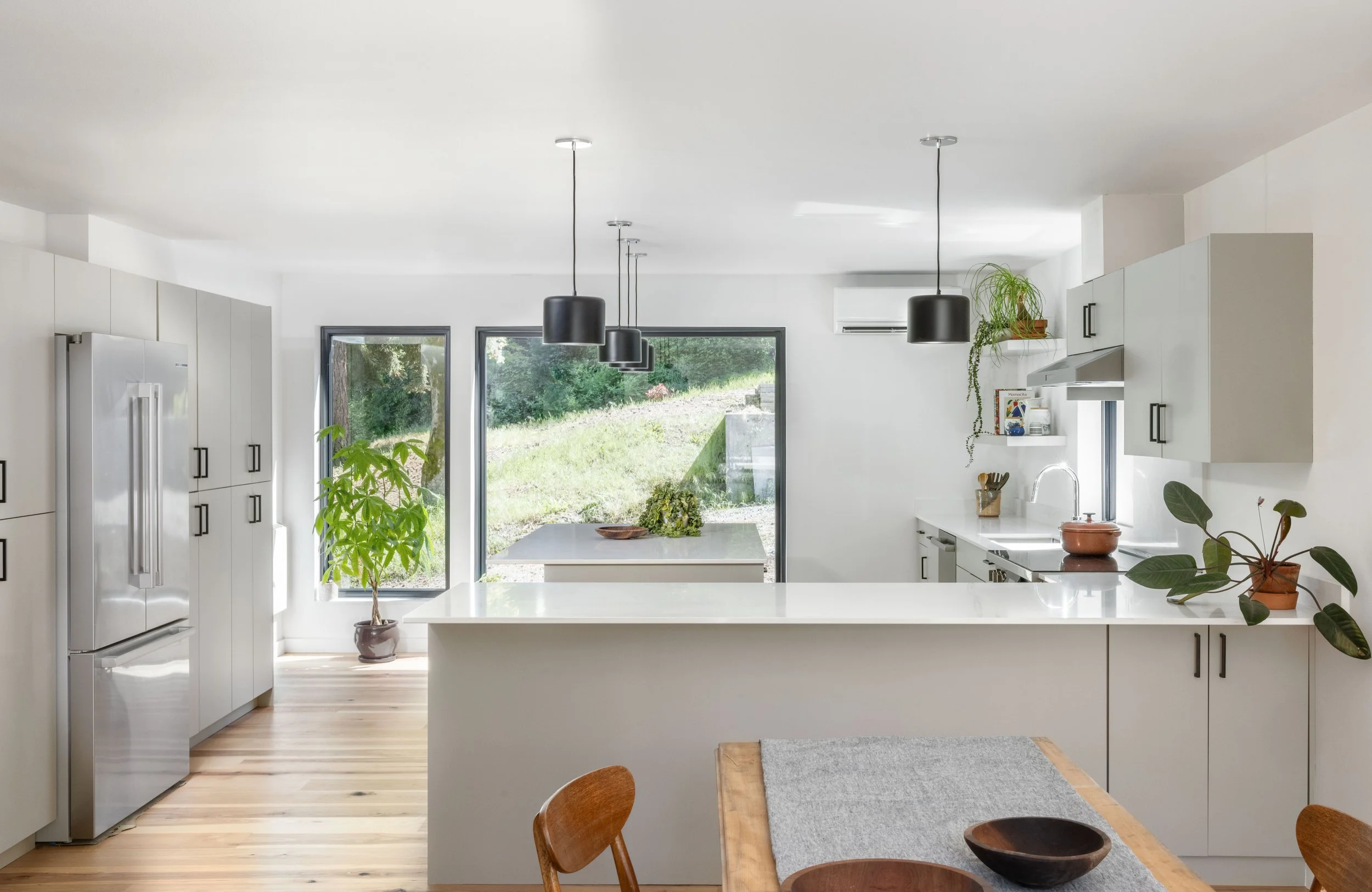
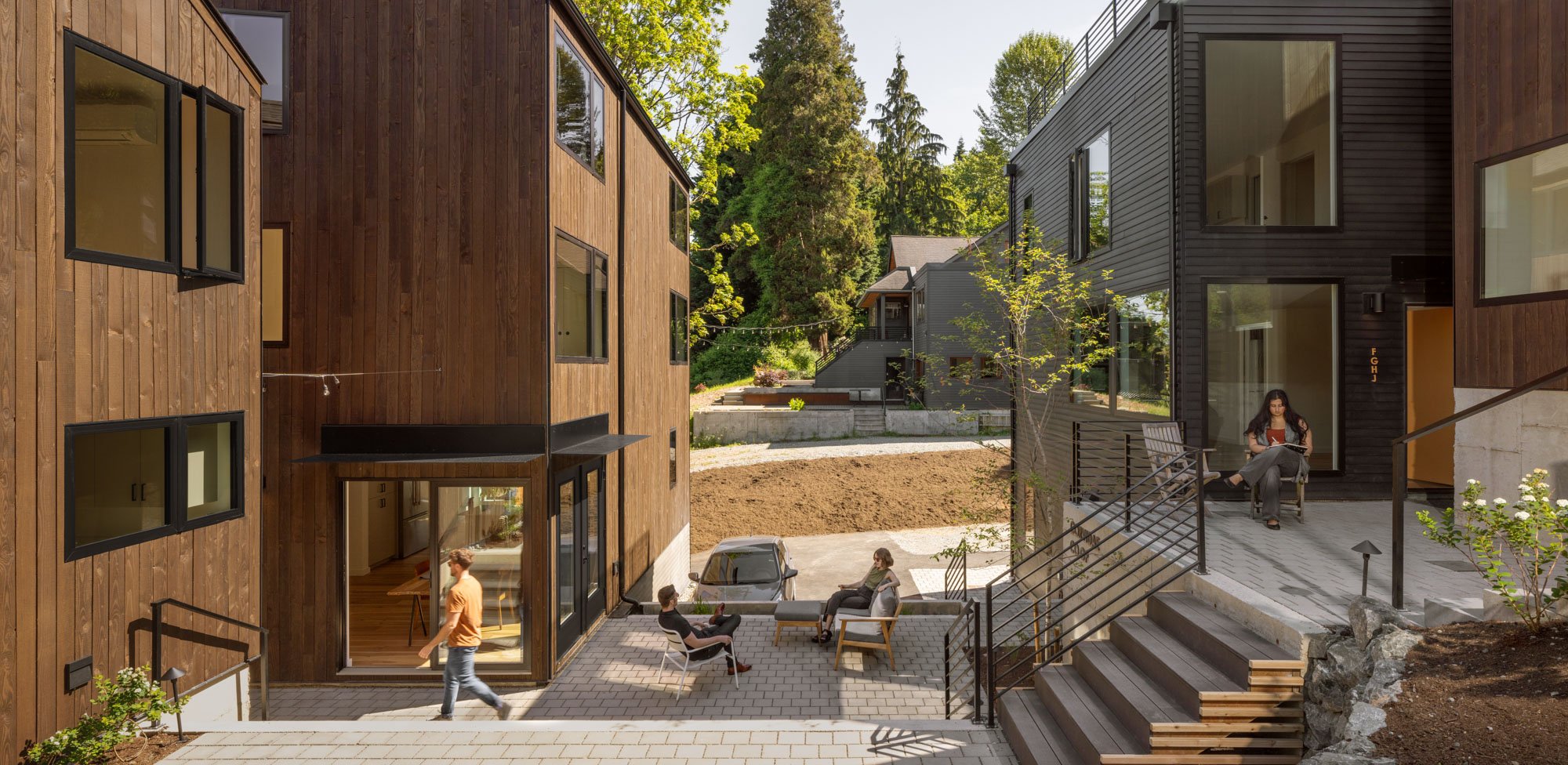
The Mt. Baker project reflects another idea we believe is important: affordable homeownership should still feel like homeownership.
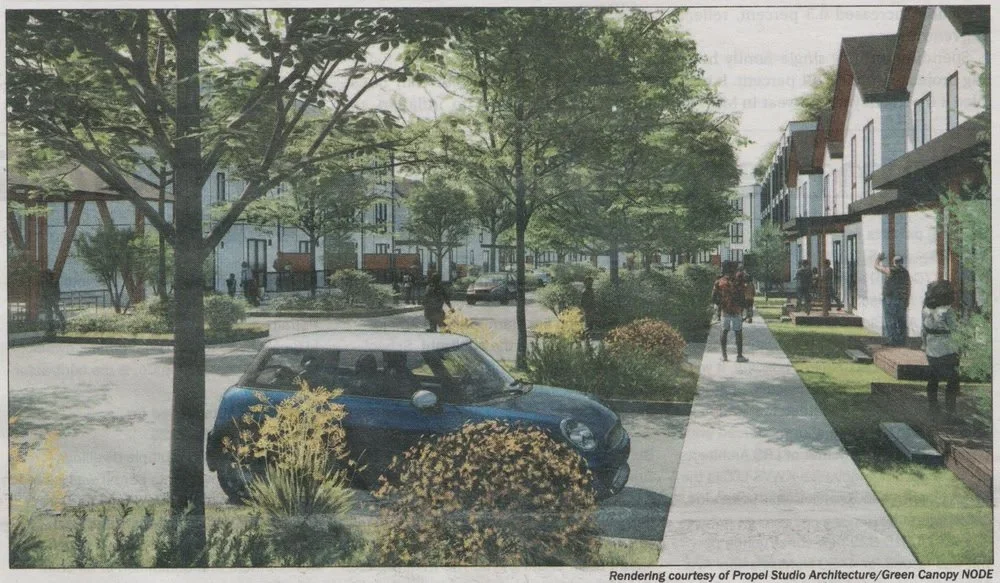
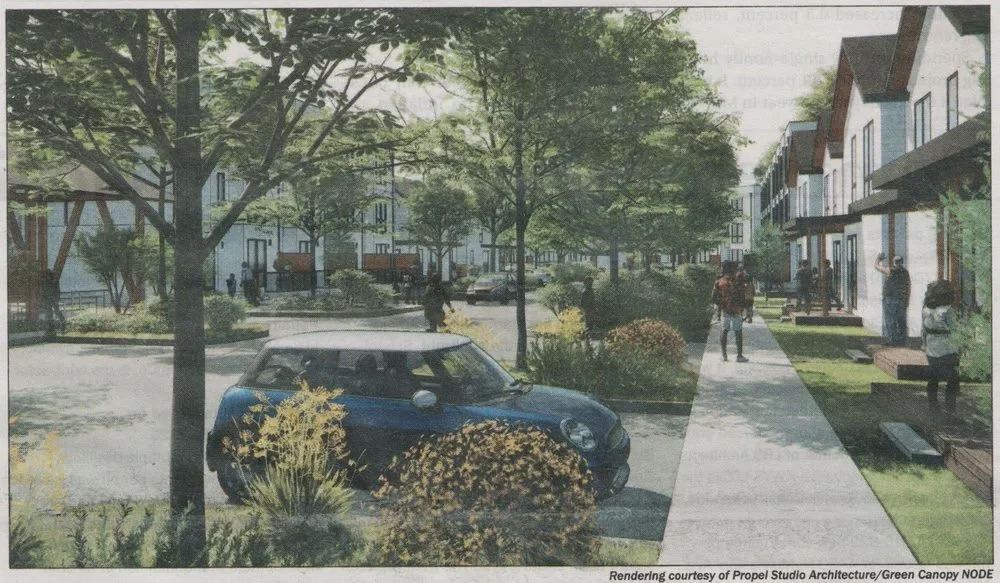
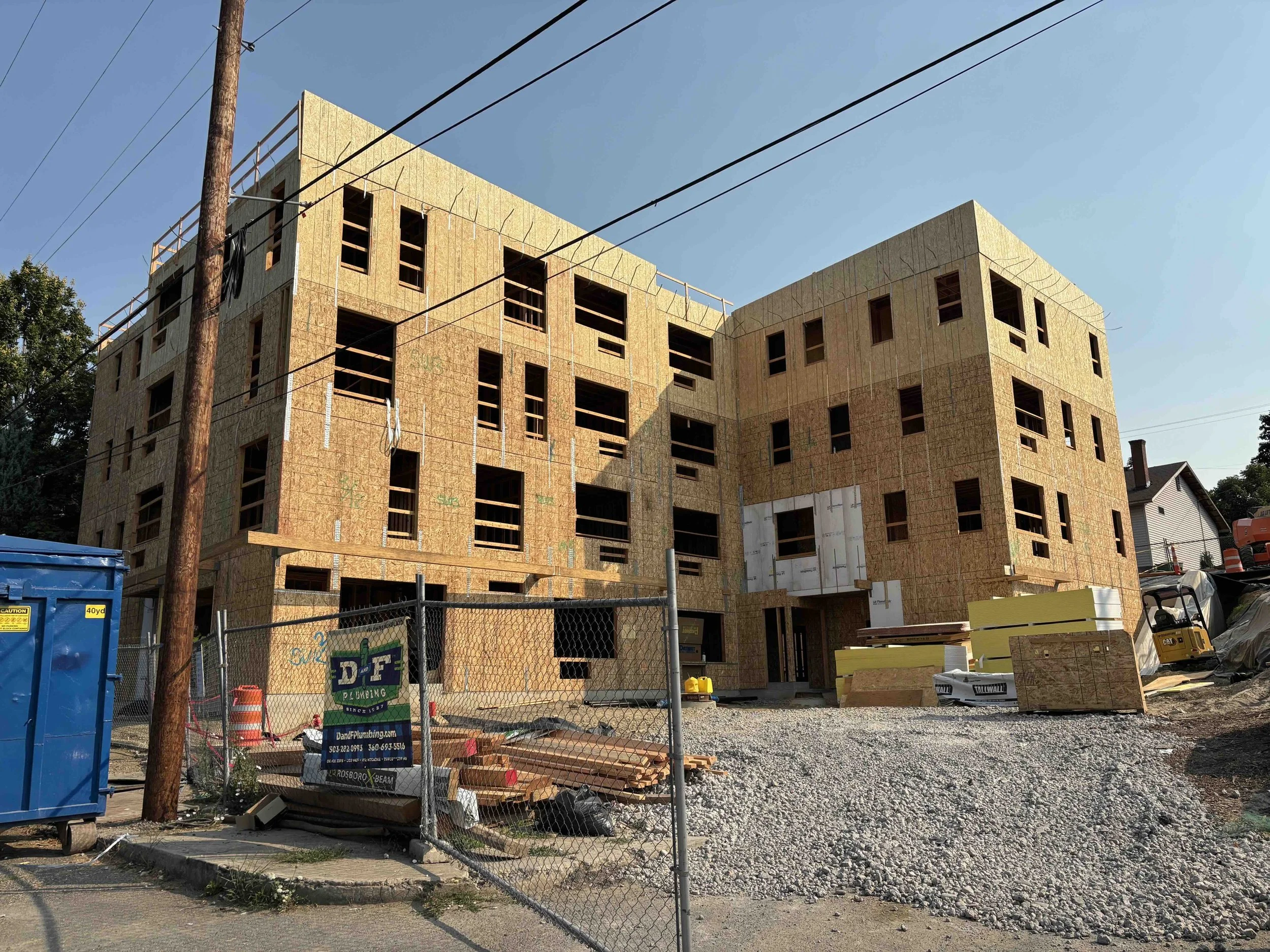
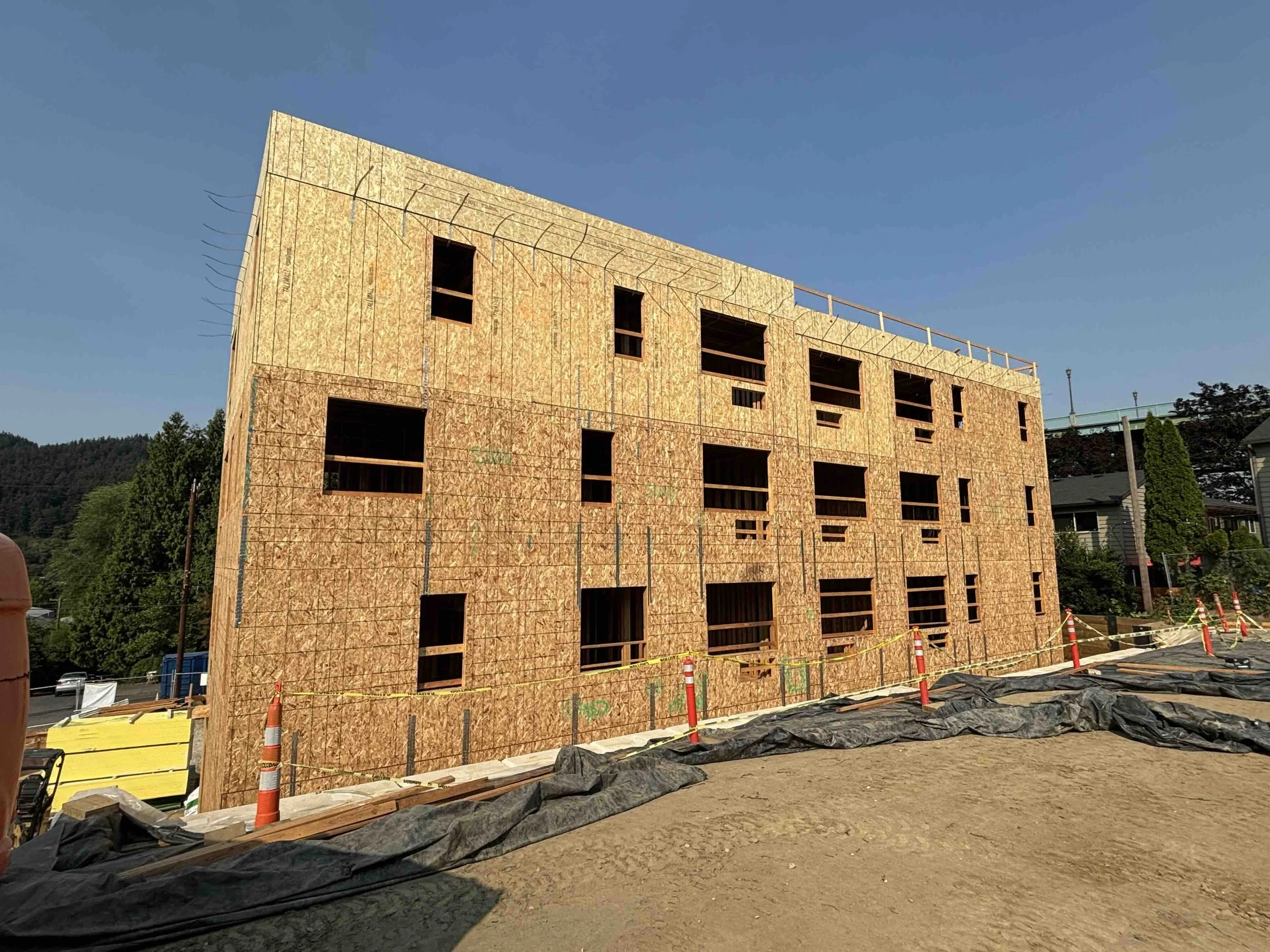
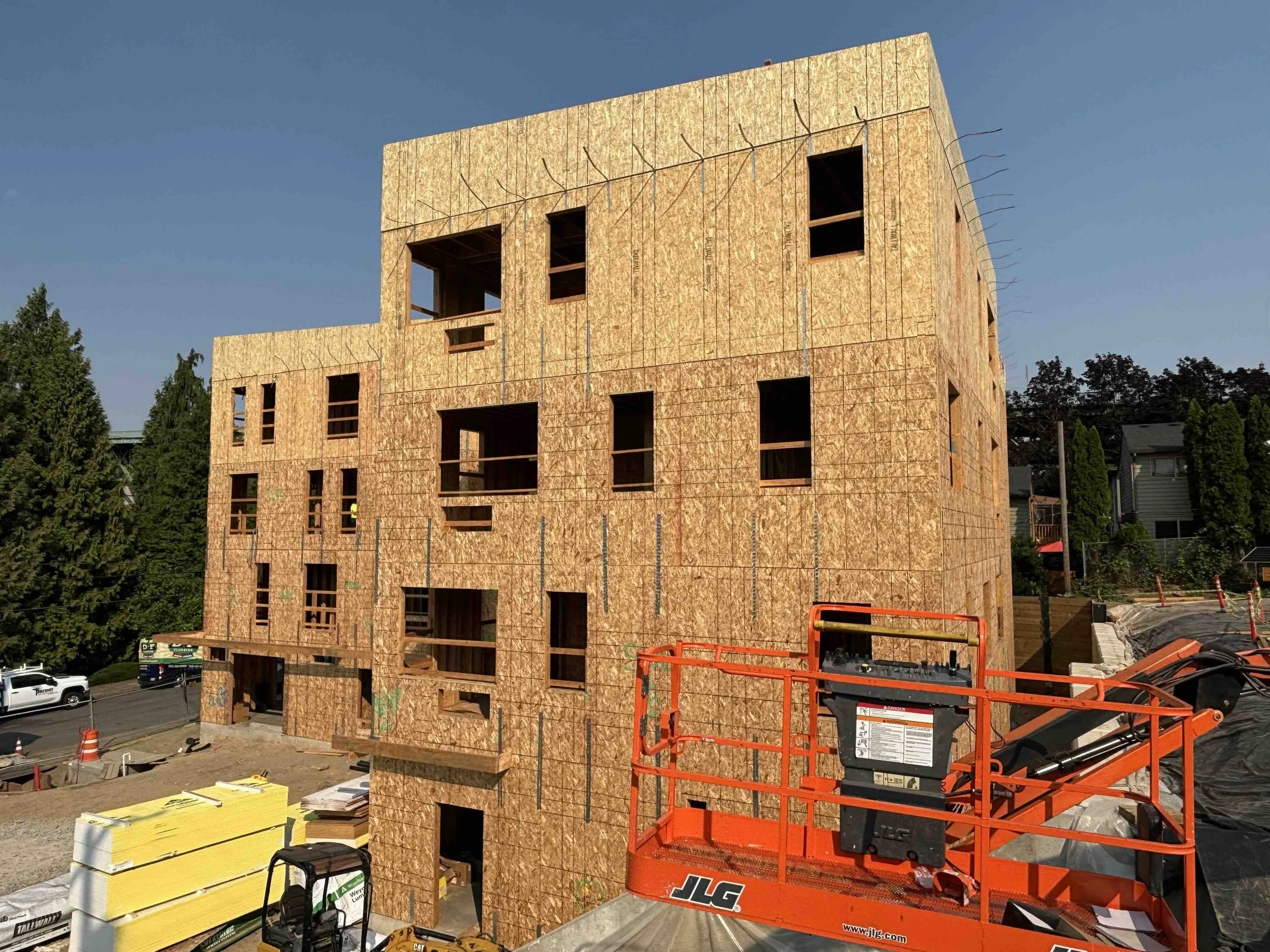
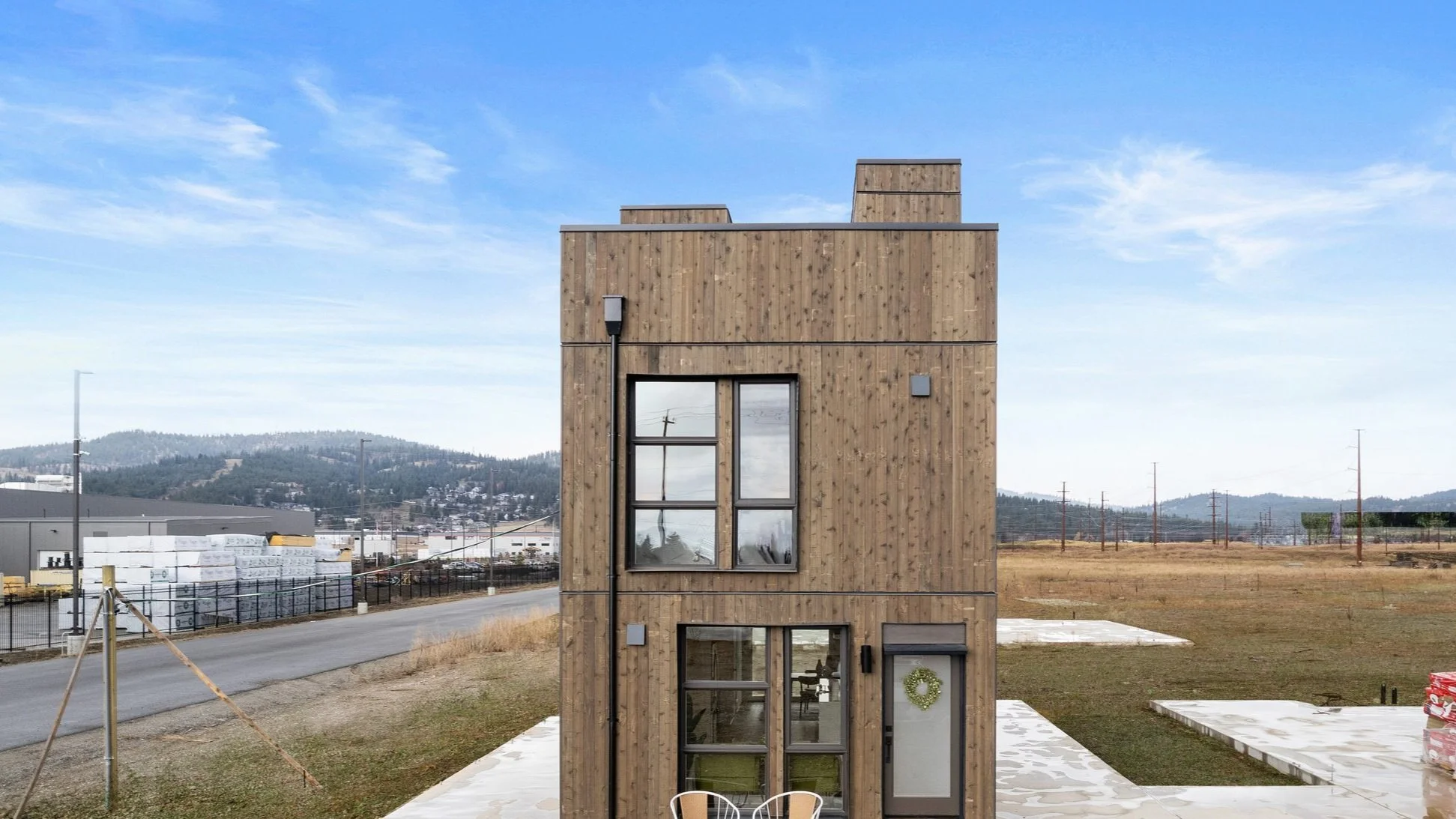
Designed by b9 Architects, the project includes 10 townhomes with features including garages, rooftop decks, generous bedrooms and two townhomes with ADU's.
The ADUs add flexibility for multigenerational households, in-home care or potential income-generating opportunities for homeowners.
And with proximity to the Mt. Baker Link light rail station, affordability isn't limited to the purchase price. Transit connects residents with employment, education and neighborhoods throughout the region while reducing dependence on a car.
Partnerships like this are how difficult problems get solved
Housing affordability can feel like one of the most intractable problems facing growing American cities. Organizations like Africatown Community Land Trust and HomeSight demonstrate that we don't have to accept existing development and financing systems as fixed constraints.
We can design better systems.
We can create new capital tools.
We can build homes our community members are proud to own.
And we can ask a better question than simply how many housing units Seattle produces:
Who gets the opportunity to own them?